I was consumed by jealousy.
All the other mothers were pacing, holding their big bellies, happily anticipating their turns to go into labor. Not me. I was scanning the room, searching for someone who might be more miserable than I was. Surely, I wasn’t the only one. Then I saw her—a girl who looked about 15, likely from an indigenous tribe. She was quiet and reserved. I felt a pang of guilt at the instant happiness I felt, knowing I wasn’t the only one who was miserable. But the moment didn’t last long; I hadn’t even fully indulged in the feeling when her ‘husband’ arrived. He kissed her on the lips and held her tightly as she smiled from ear to ear.
Miserable. So miserable.
My brain didn’t bother holding on to the details—the smells, the food, or the people. I hardly remember a thing. But I do remember the jealousy and the shame. I was ashamed to be 18 years old, waiting to go into labor with nobody by my side to bring me clothes, food, fruit, or gossip. Nada. But worse than my own self-pity was the pity of others. I hated every minute of it, being made into a sad story—the little Nicaragüense destined to be a single mother because she opened her ‘patas’ too soon.
I had called him the same night I was admitted to the hospital. I told him I was going to be induced soon. I had built this fairy tale in my mind—that my prince would come and rest his head on my chest as soon as he heard the news. I was happy, thinking I would silence all those nosy nurses and expectant mothers, proving to them that I was loved, that my baby was wanted. But I didn’t show anyone anything. I just cried by the phone, with no money left to make another international call. I felt the weight of the world on my shoulders and heard the voices of the nuns saying, ‘I told you so,’ ‘You were destined for this,’ ‘You will amount to nothing.’ They were right, I thought. There was no going back. I had to accept my fate, that no one would be by my side to hold my hand as the pain devoured my body.
No pain medication, no epidurals.
I screamed, and my screams echoed louder than I could. The pain was unbearable. I wasn’t making any progress—I pushed and pushed for hours with no end in sight. There was no pity, no help, just judgment: ‘This is what happens when you open your legs this young,’ ‘This is what all these Nicas do in this country, just birth trouble.’ I thought I would die and allowed myself to slip away. I was awakened by the sharp smell of alcohol in my nose.
Forceps. Ruptures. Scissors and stitches.
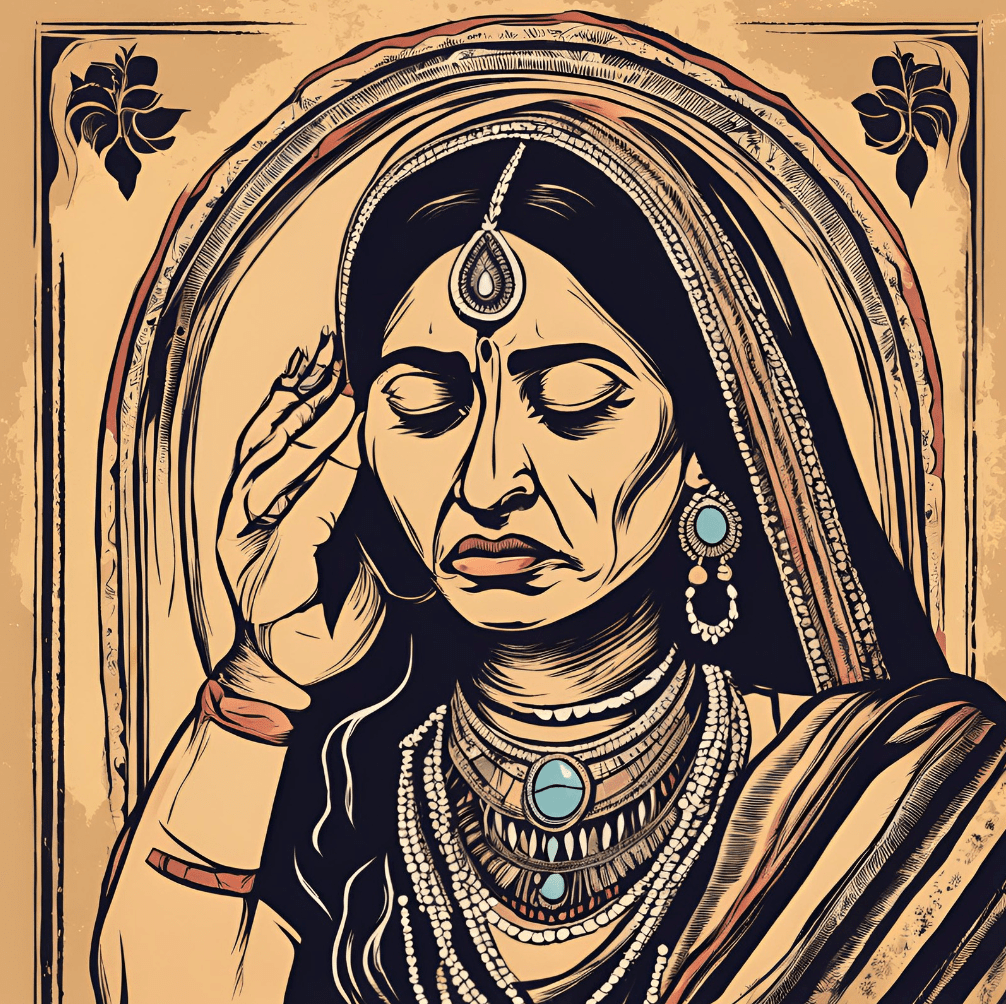
There she was. She was tiny. My sister and I had decided we would name her after my one-sided boyfriend (he missed the memo that we were together). We thought she would be a boy, and I was happy about that—I thought he wouldn’t suffer as much. But she was a girl. A little, hairy, premature girl. People told me I’d forget the pain once I held my baby in my arms, but I didn’t. I felt the pain through the years, and I still do. I never felt that warm embrace of motherhood. I immediately hated her cry. Her cry would make my body tremble with fear and anger. I shiver at the memory of those early days. And I wasn’t even done processing the anger when guilt engulfed me, hard and fast. I felt guilty that I didn’t feel ‘love’ and that her cries made me angry. Why was I so broken that I couldn’t even enjoy those early memories? Why was I such a self-centered, selfish brat who didn’t care for anyone but herself?
 Teta Loca
Leave a comment