Somewhere between cleaning up spilled juice and explaining why the sky is blue for the hundredth time, I stumbled on something odd: The Vatican, aka the Holy See, has a permanent observer seat at the UN. No voting, no dues, but still plenty of influence. And now my brain won’t let it go.
I mean, I get it. The Vatican isn’t just a church; it’s technically a sovereign entity, and it’s got diplomatic ties with a ton of countries. It’s been involved in peace talks, humanitarian work, all that good stuff. But the UN is a secular institution—so why does a religious body get a seat at the table when other religious institutions don’t?
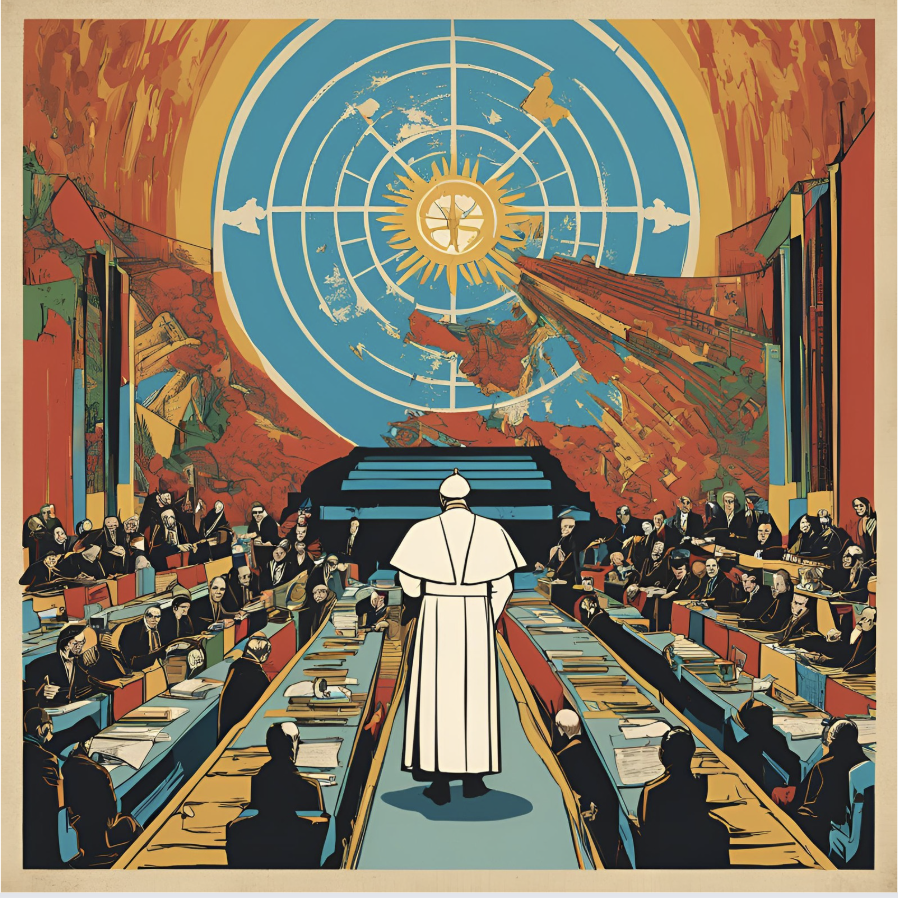
The Logic—Kind of
Okay, so other groups also have UN observer status—Palestine, the Red Cross—but their situations are different. Palestine is pushing for full statehood, and the Red Cross is purely humanitarian. The Vatican is somewhere in between. It doesn’t vote, but it gets to speak up, influence policy, and weigh in on global issues—often on things like reproductive rights, LGBTQ+ protections, and women’s health.
So, I have to ask: Should a religious institution be shaping policies that affect people who don’t follow that religion?
The Money Question
And here’s another thing. The Vatican doesn’t pay UN dues. Countries like Monaco and Liechtenstein do, even though they’re tiny. But the Vatican? Nope. It gets the benefits without footing the bill. In my house, if you want a say in what’s for dinner, you better be setting the table. So why does the Vatican get a seat without paying in?
Also, if the Vatican gets to do this, why not other major religious institutions? Islam has almost 2 billion followers, yet no Islamic governing body has the same seat. Same for Hinduism, Buddhism, Judaism. If the UN is making space for “moral authority,” why does only one religion get that privilege?
So, What Now?
I don’t have answers. But as I try to raise kids who ask good questions, I want them to think about things like this:
- Should a religious institution get a special spot in a secular global system?
- If the Vatican is involved, should it pay dues like every other small state?
- Should the UN invite other major religious organizations, or should it cut ties with religion altogether?
If we want the next generation to navigate an increasingly complex world, we need to teach them to think critically—to question systems, challenge inconsistencies, and push for fairness in the structures that shape our lives.
 Teta Loca
Leave a comment